The blog
Deep dives into the products, ingredients and habits that shape how India eats.
Latest articles
10 articles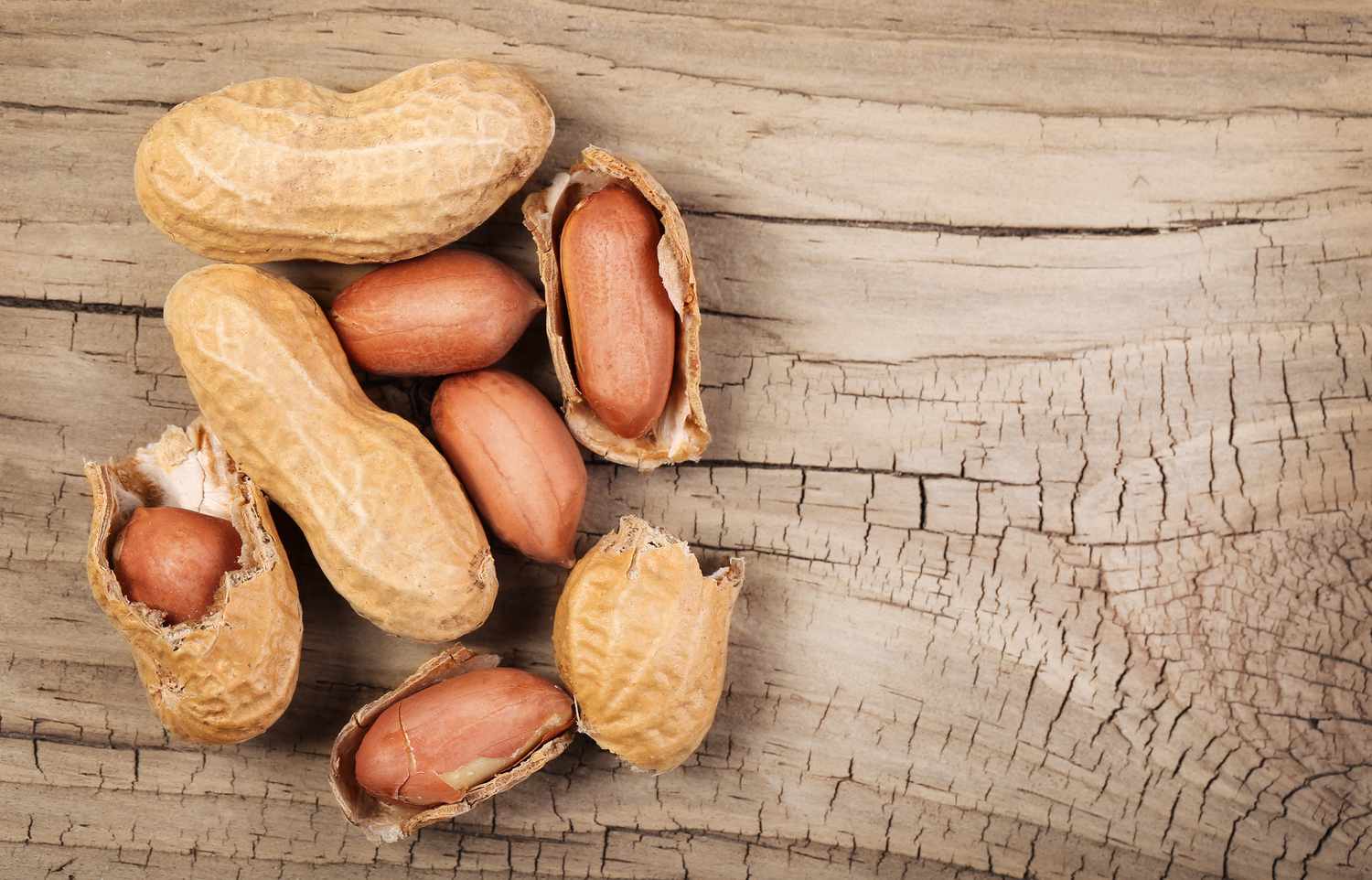
Stop Calling Peanuts a Protein Source, They're Not Really
Peanuts get recommended a lot as a budget friendly protein source, especially for vegetarians. By weight, peanuts do contain a meaningful amount of protein, around 25g per 100g. The problem is what else comes...
Read →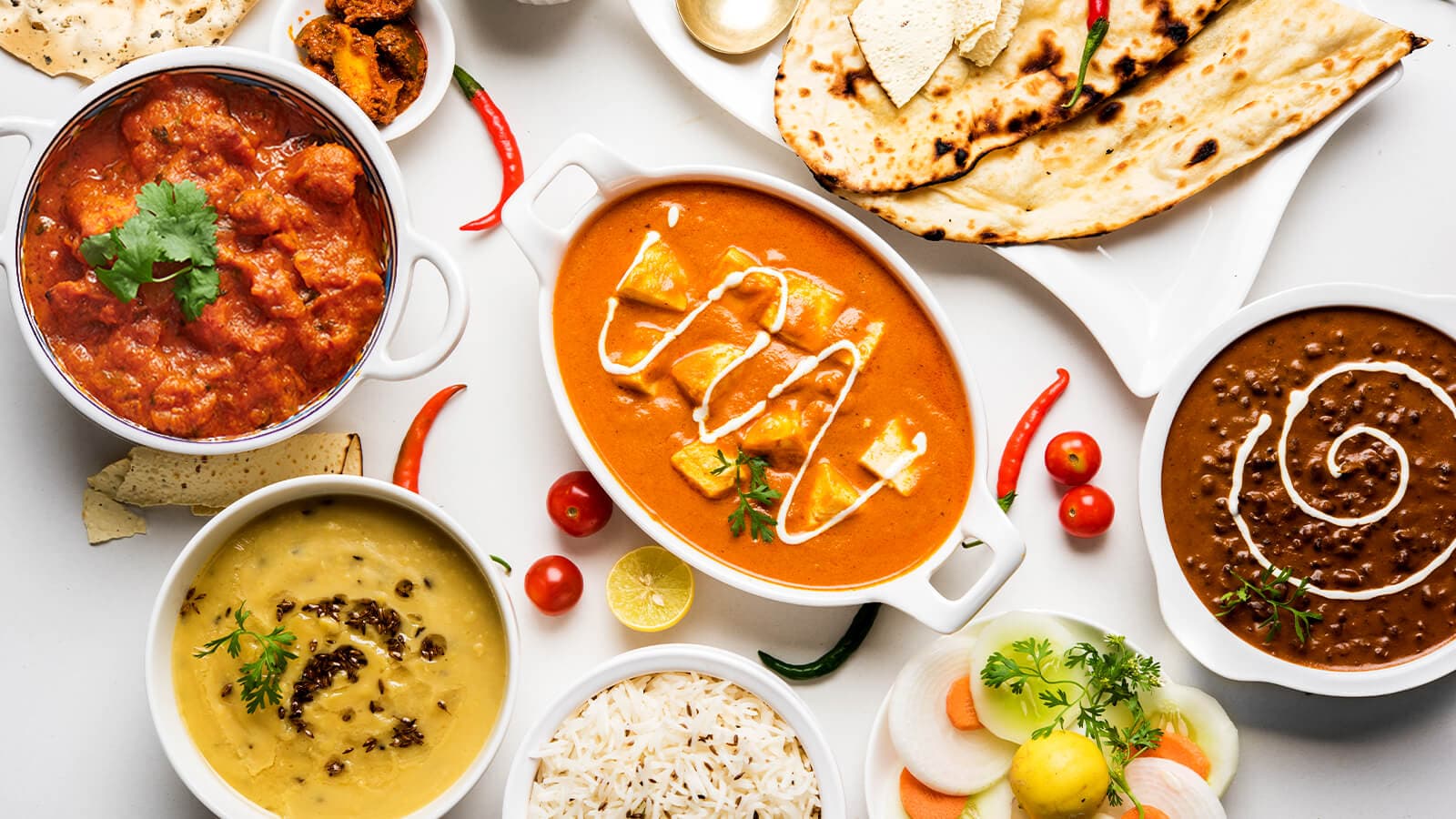
How Daily Indian Food Can Be Optimized for More Protein Intake
Most Indian home cooked meals already contain protein, the question is usually how much, and whether small changes could meaningfully increase it without changing what the meal is.
Read →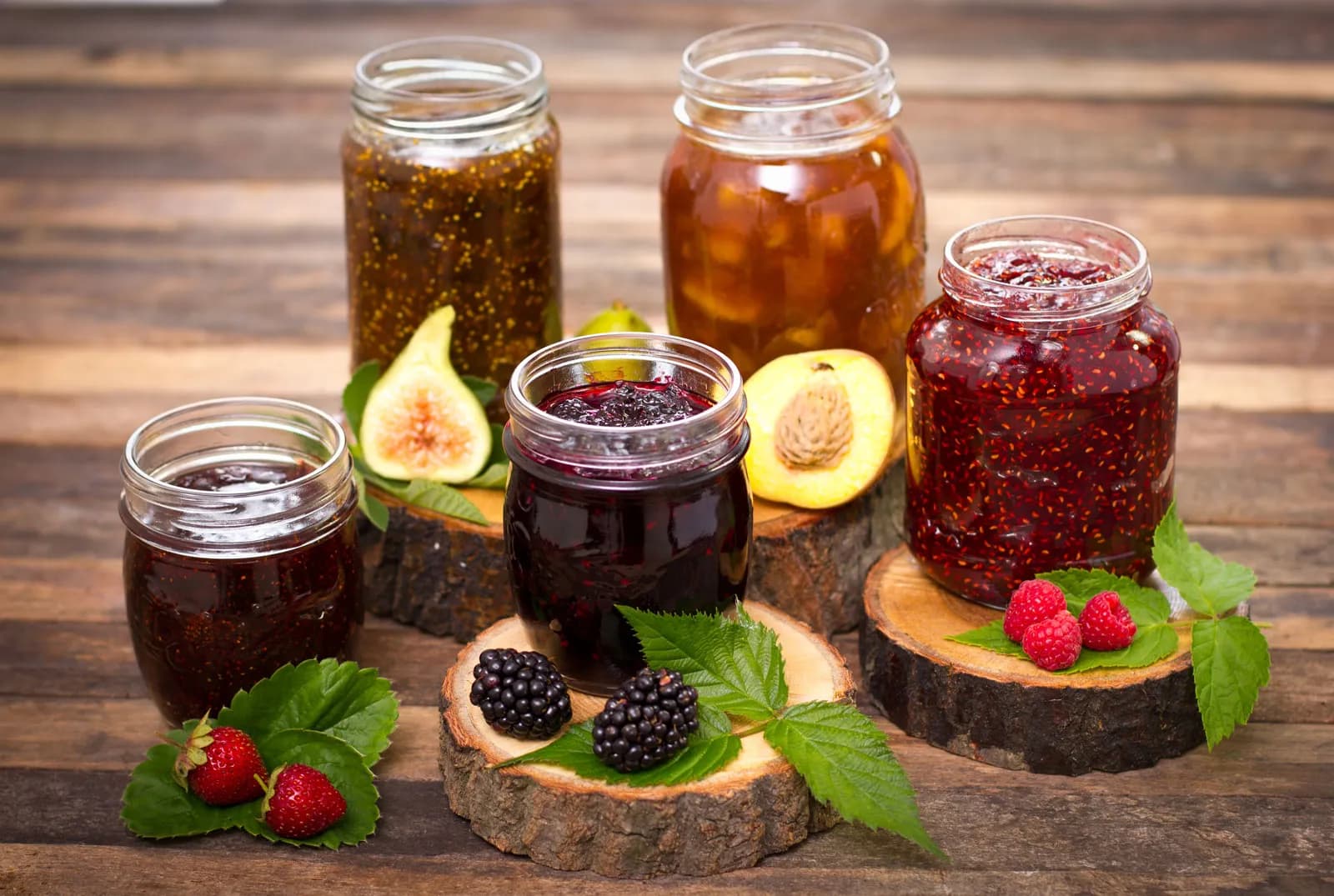
The Best Jams in the Indian Market
Jam is one of those products where the front of the pack and the ingredient list can tell very different stories. "Made with real fruit" is true of almost every jam on the shelf, the question is how much fruit,...
Read →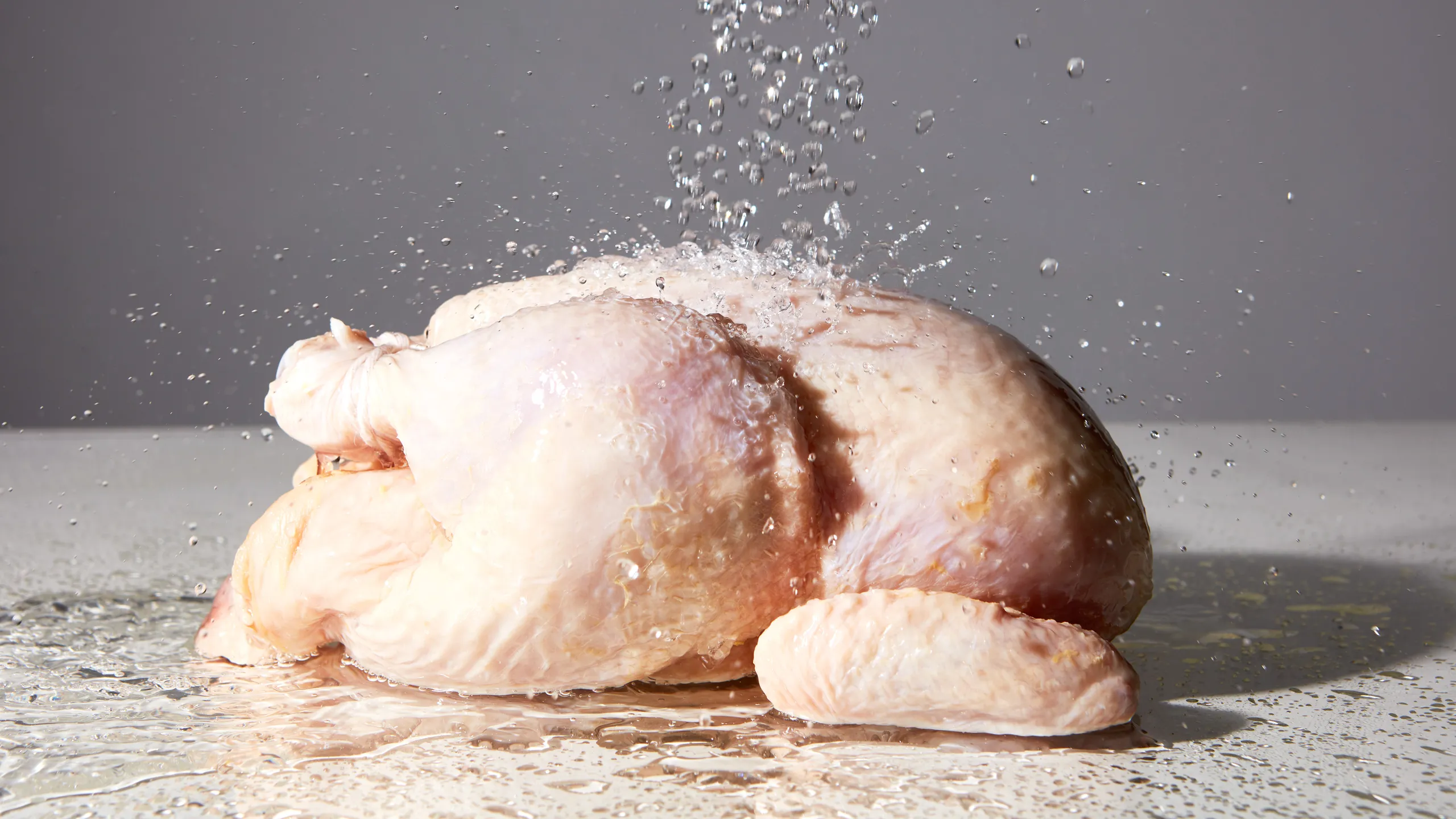
Should You Wash Chicken Before Cooking?
Washing raw chicken under the tap before cooking feels like basic hygiene, and in many Indian kitchens it's an unquestioned step. Food safety guidance from agencies like the FSSAI and international bodies...
Read →Meal Prep for a Calorie Deficit, Done Right
Meal prep gets associated with rows of identical containers and a calorie number written on each one. That's one version of it, but not the only useful one, and not the one we'd point you toward.
Read →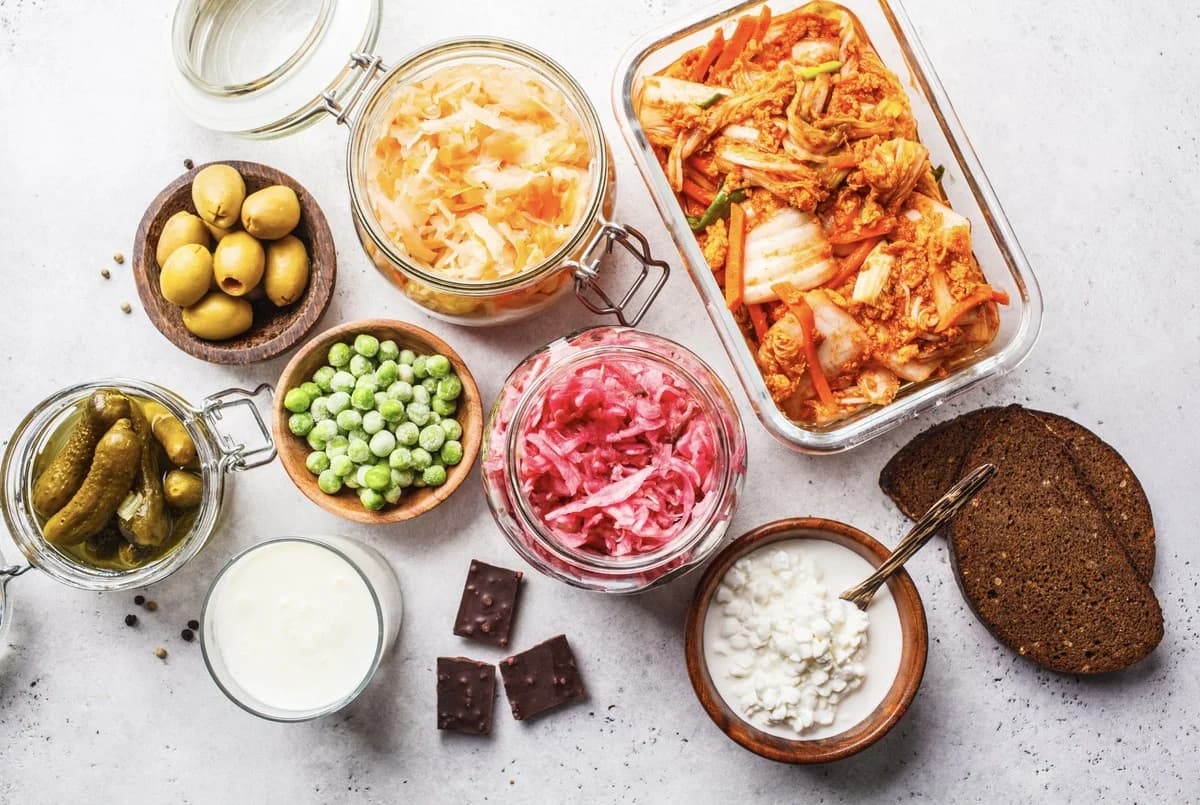
The Benefits of Fermented Foods
Fermentation shows up all over Indian cooking, often without anyone calling it that. Curd, idli and dosa batter, dhokla, kanji, and most pickles all rely on the same basic process: naturally occurring bacteria...
Read →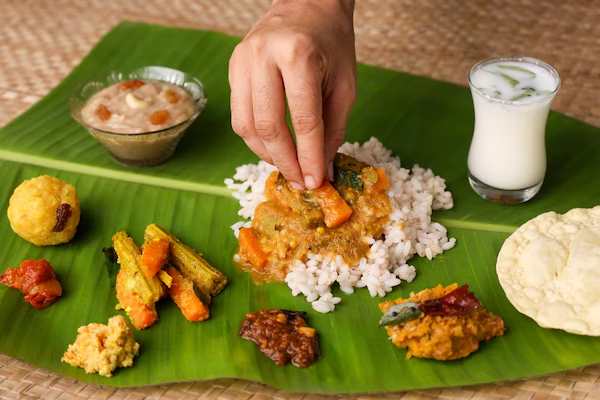
Rice Heavy Meals Are Not Real Indian Food: Here's What Traditional Indian Food Actually Looked Like
Ask most people what "traditional Indian food" looks like and rice tends to dominate the picture, a big plate of rice with a small bowl of dal or curry on the side. That image is more recent and more regional...
Read →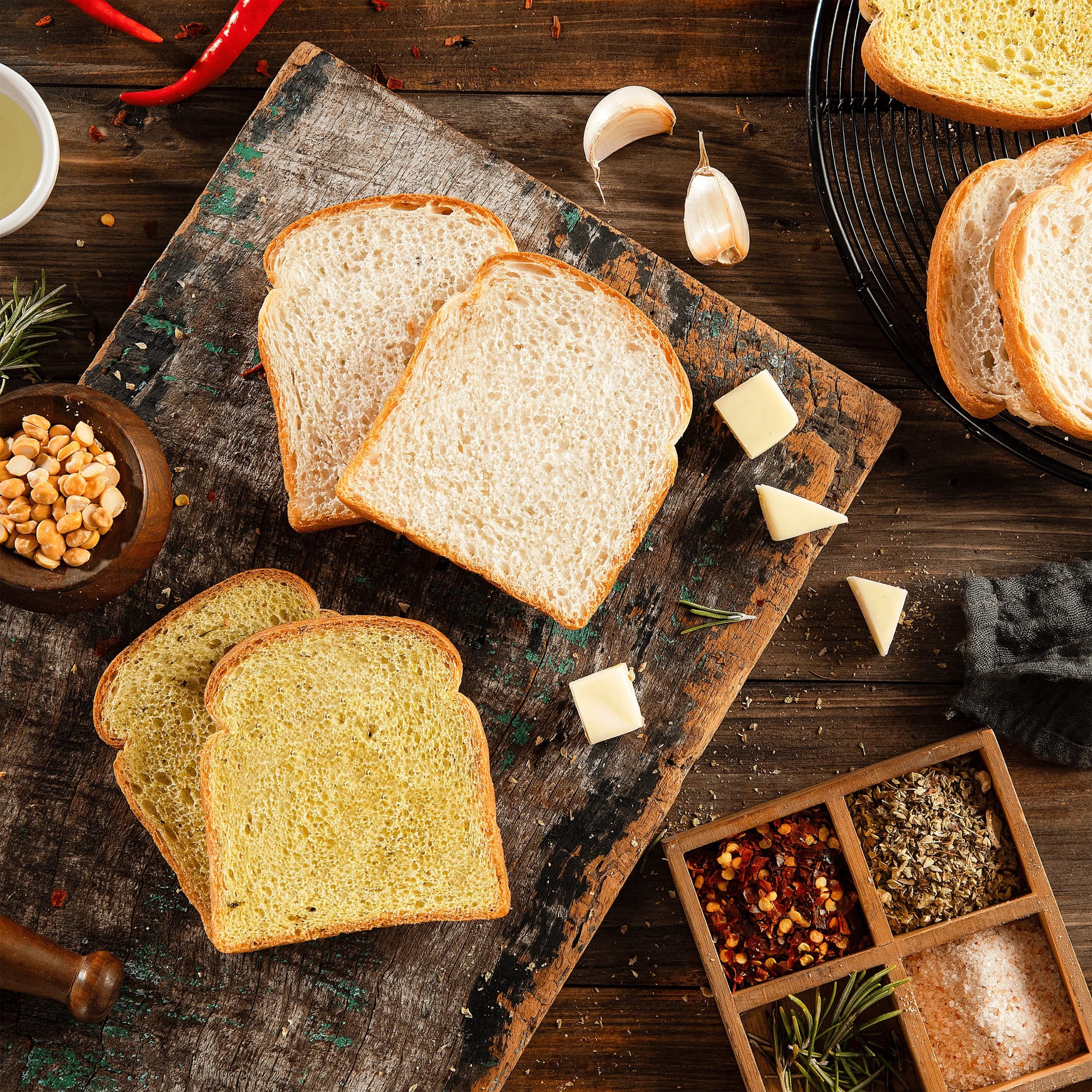
The Best Breads in the Indian Market
Walk down the bread aisle of any Indian supermarket and almost every loaf claims to be "healthy" in some way: multigrain, brown, high fibre, no maida. The wording on the front of the pack is marketing. The...
Read →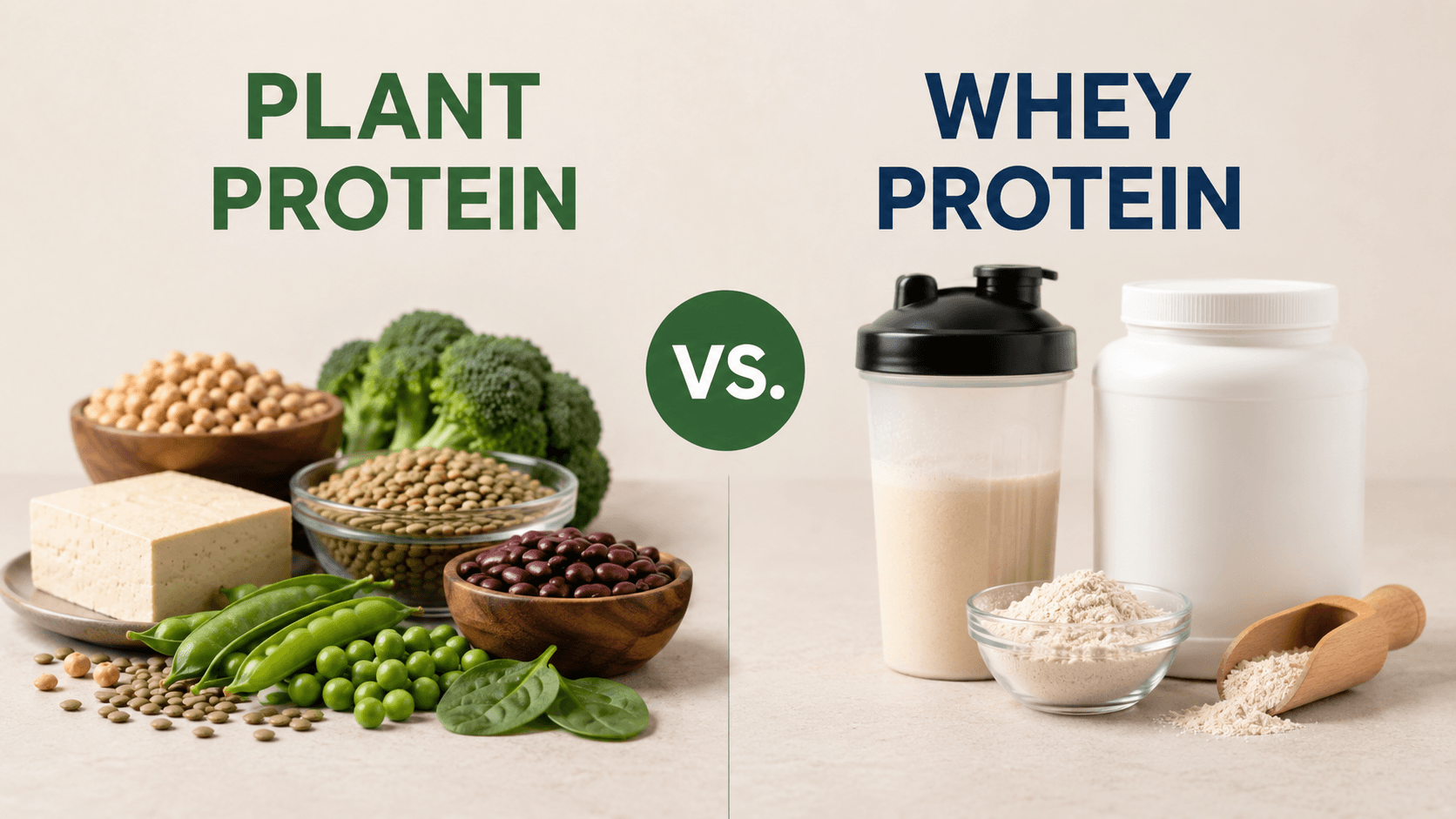
Plant Protein vs Whey Protein: What's Actually Different
Plant protein and whey protein often get compared as if one is simply a "better" version of the other. The real differences are about amino acid profile, digestion speed, and how they fit into an existing diet.
Read →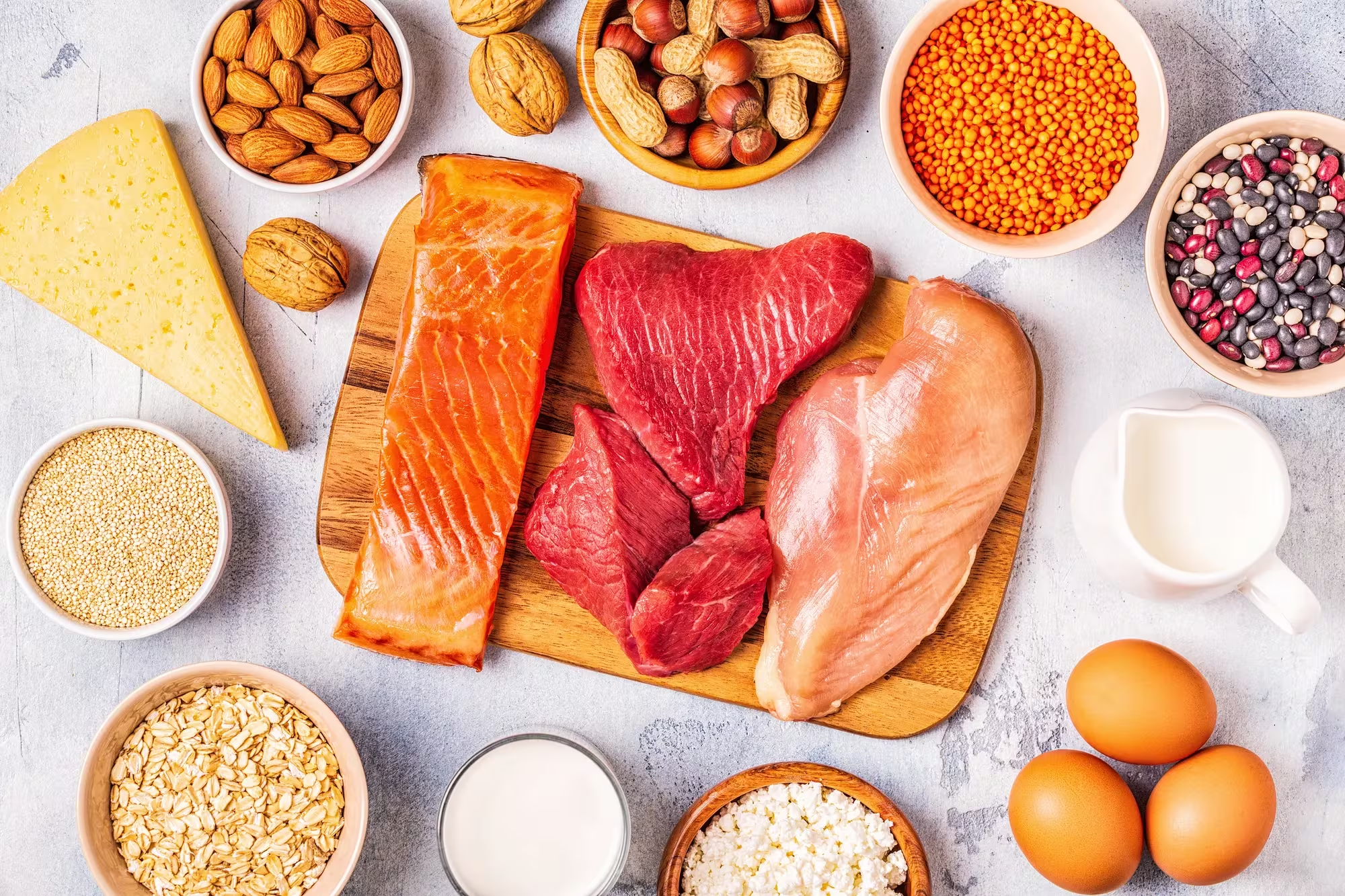
The Best Protein Sources When You're in a Calorie Deficit
If you're eating less than you burn, every calorie needs to work harder. That makes protein density, how much protein you get for each 100 calories, more useful than just looking at total protein per serving.
Read →